With the prepared food market poised for significant growth even before the pandemic, products offering convenience, healthy ingredients, and ease of preparation for busy families and individuals were in high demand. Of course, when shelter-in-place restrictions began in March 2020, more families had to adjust to working from home, schooling their children from home, and preparing most of their meals at home. Naturally, sales of easy-to-prepare meals soared. This was one reason a multinational prepared foods company sought a new solution to automate its packaging line for oatmeal cups and macaroni and cheese. The Chicago-area food manufacturer had previously been packaging the cups in bulk, without using a carton sleever.
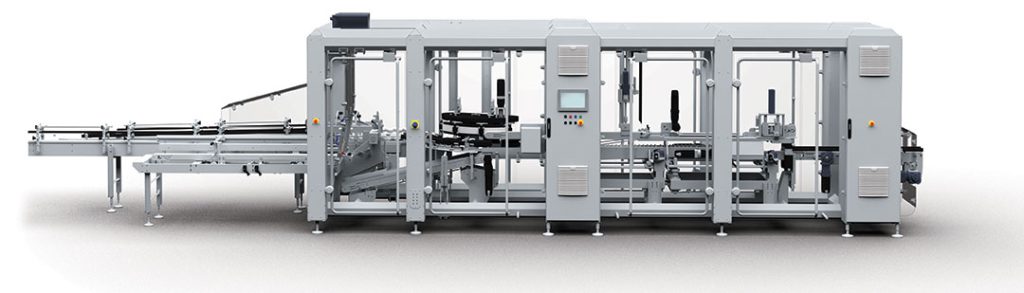
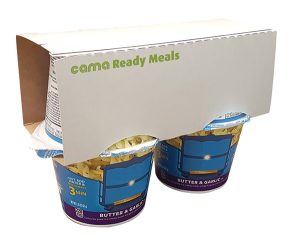 With primary goals of increasing line speeds, easy changeover to multiple SKUs, and knowing the chosen solution would be a reliable partner for years to come, the company chose to work with Cama North America, Buffalo Grove, Illinois, a subsidiary of Cama Group, Italy. Cama proposed its MP carton sleeving machine, a member of its BreakThrough Generation (BTG) series. Cama’s BTG series, including sleeving machines, cartoners, and case packers, is a step forward in TPM-compliant machines, offering increased accessibility, higher sanitation standards, and a predictive maintenance program. The BTG series is designed with reduced components for quick and easy changeover, simplified maintenance, fewer spare parts, and reduced environmental impact. Its monoblock design allows for custom packaging solutions in limited space.

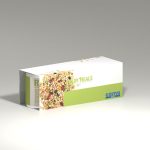
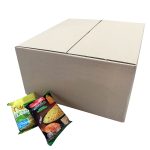
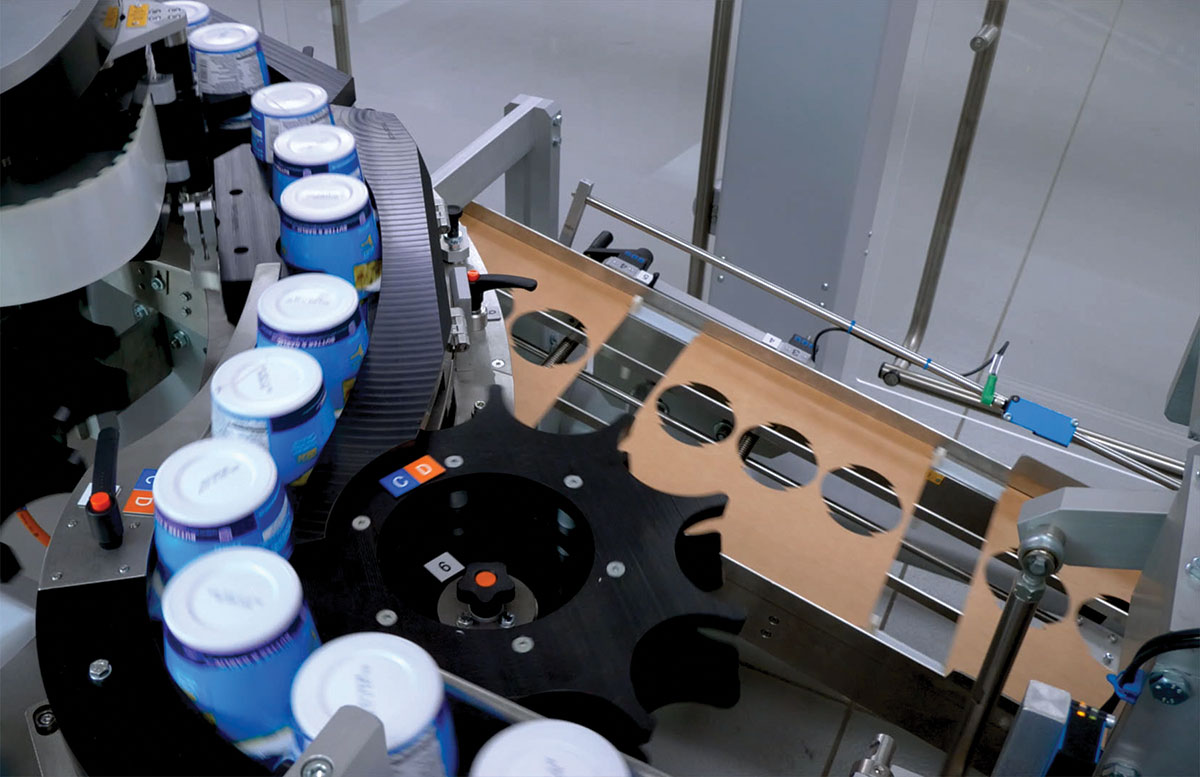
In addition, it has no hollow body structure and features a cabinet-free PLC with non-proprietary electronics. For Cama Group, this was the debut installation of a sleeving machine in the BTG series. “For this customer, Cama’s Model MP106 sleever offers several advantages,” explains Billy Goodman, managing director, Cama North America. “First, the sleever allows the customer to expand their product line with new retail-ready multipacks, which Cama is familiar with from other customers and similar products.” For instance, they can run multiple product configurations, such as 4-count and 6-count sleeves. For a 4-count configuration, the cups come 2 x 2 in two lanes at speeds of 300-330 cups per minute. The sleever then picks 2 cups and places them atop 2 cups, then inserts them into a cardboard sleeve at a rate of approximately 85 sleeves per minute. “Few companies can handle this orientation at the required speed,” says Goodman. “With this style of machine and our technology, it’s also possible to run a 2-flavor variety pack, allowing for future product line expansions.”
In addition to high speeds and quick, easy changeovers, other advantages include the machine’s compact footprint, sanitary design, and ease of use. Cama’s fully digital cardboard sleeving machines are designed to pack bottles, cups, jars, bricks, tins/cans, and thermoformed containers in one or two layers from single or double lanes. The machines are also suitable for clip-type carton sleeves and bridge sleeves with upper pack hot-melt closing. Cama’s sleeving machines stand out for their technological innovation, high added value, accessibility, ergonomic design, performance, and functionality. They are suitable for various markets and products, including dairy products like yoghurt and ice cream, bottled milk, juices and other beverages, as well as pet food. For this customer, the results include increased production, an enhanced ability to expand their product line and meet future demand, and labor savings. In fact, the company was pleased enough with the Cama system to order two additional systems even before the initial installation.